
IT’S FALL !
Plant a tree to celebrate
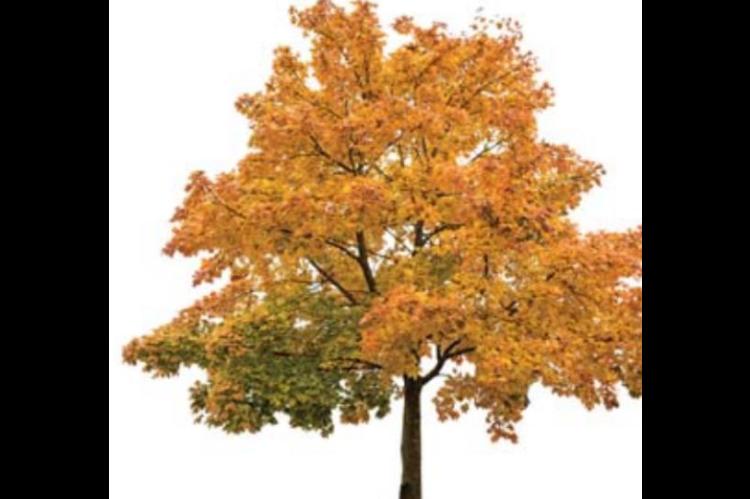
Cooler temps this week and the official first day of fall may have local residents firing up their pumpkin spice candles, but the Oklahoma State University Extension Service suggests another way to celebrate.
Plant a new tree or two.
Tree replacement should be done in the fall, whether in private yards or public parks, David Hillock, OSU Extension consumer horticulturist said.
“Fall offers several advantages for getting trees and shrubs in the ground before winter arrives,” Hillock said.
Roots grow when the soil temperature is above 40 degrees. The root systems of fall-planted trees and shrubs will have an opportunity to develop and become established if planted now.
Hillock said when spring arrives with warmer temperatures, an expanded root system that was established in the fall can better support and take advantage of the growth surge.
Area trees took a beating with last year’s double whammy of the October ice storm and record cold temperatures in February, which is all the more reason to think about planting new specimens this fall.
“Fall is typically the time of year when people are taking road trips to see the changing colors of the leaves, but with those two weather events just a few months apart, homeowners and city parks employees need to be making plans to establish new trees,” Hillock said.
Trees do much more than provide shade; they are a critical component of what makes Oklahoma communities livable, Mark Bays, urban forestry coordinator with the Oklahoma Forestry Services, said.
“Besides cleaning the air and water and increasing property values, research has determined that spending time in open spaces such as your back yard or a park setting where trees are present helps maintain a healthy immune system, reduces stress and even contributes to lower heart rates,” Bays said.
“More doctors are beginning to prescribe to their patients to spend time in nature to help improve overall health.”
Kingfisher Tree Board President Brian Walter, whose devotion to preserving and expanding the city’s greenbelt has been central to achieving and maintaining its status as “Tree City USA,” sees other advantages.
“Trees are the silent, unpaid sales people for our community,” he said. “When people are looking for a new home, they are looking for a high quality of life and I think the trees that we have in our community speak volumes about our quality of life.
“When you go to university campuses, you’re going to see lots of trees and well maintained trees.
“When you go to high-end destinations, you’re going to see trees. Trees make a great first-impression to people.”
Hillock noted that balled and burlapped plants are best planted in the fall “so they have time to recover from transplanting and proliferate roots before the spring growing season begins.”
Meanwhile, bare root plants are best planted in late winter when they are completely dormant.
In order to give the tree or shrub the best chance at survival, proper planting is a must. Dig a hole at least two times wider, but not deeper than the root ball.
Homeowners who are dealing with heavy, poorly drained soils should plant the tree so the top of the root ball is just above the level of the surrounding soil.
This allows for settling and increases soil drainage and available oxygen to the roots.
Refill the hole using only the dirt removed when digging and pat it down around the tree or shrub. Water thoroughly to settle the soil and eliminate air pockets.
Although tempting, don’t fertilize immediately after planting as this can burn or injure the root system, which would result in plant death.
Bays said newly planted trees will require some extra care, including regular deep-root watering for the first couple of years.
“Tree watering is different than turf watering. The amount and frequency depend on the size of the tree at planting and the type of soil,” he said.
“Homeowners will need to provide enough water to provide moisture to the entire root system.”
While Oklahoma has received a decent amount of rainfall, it’s important to remember trees require a much different watering schedule than turf.
An easy way to check if a tree needs water is to stick a 10-inch-long screwdriver into the soil, remove it and check for moisture. If the soil is moist, skip the watering.
If the soil appears dry, a slow, deep soaking is recommended around the area of the tree as far as the branches extend from the main trunk.
“It’s important for homeowners and public parks caretakers to keep trees healthy through ongoing maintenance and watering,” Bays said. “The healthier a tree is going into a severe weather event, the better the opportunity it has for making it through.”