
Local banker offers advice to ward off potential scammers
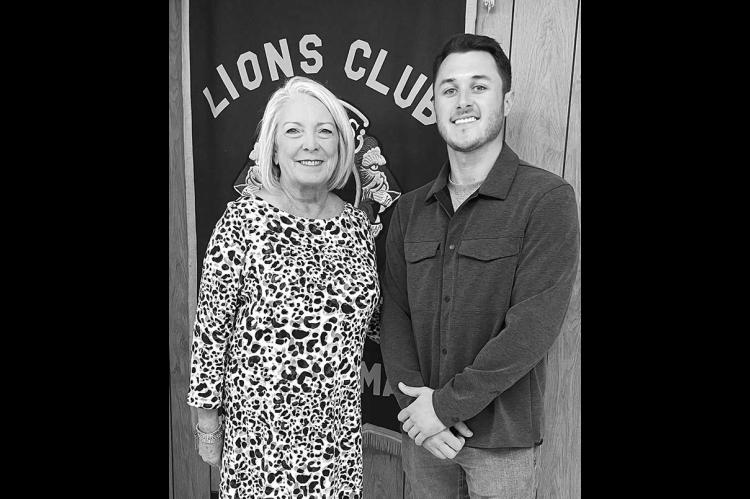
Don’t swerve.
That’s the advice Vicky Rother’s husband often recites to her in the case a deer may cross the road when she’s driving.
It’s also the advice Rother gives to people who might potentially be scammed.
“Instantly we react. That’s our nature” said the vice president and customer service officer for Kingfisher’s branch of BancFirst when speaking to members of the Lions Club last Thursday.
“But don’t panic. Don’t swerve. Stay steady and just get help.”
Rother addressed Lions Club members on the various scams bank customers have fallen for and still more that bank employees help ward off on a daily basis.
“We work everyday to help our customers and prevent them from being taken advantage of,” Rother said.
“It’s a constant battle.” The scams vary, Rother said.
Some come via text message. Others are phone calls. Still others may come via email.
“There are new scams everyday and they are very good at what they do,” Rother said.
She cited one text scam that tells people their bank card has been compromised.
“They say that to panic you,” she said. “Then they gain your confidence by saying they’ve protected you by turning off your card.”
The customer is then instructed to call a number to reinstate their bank card at which time they provide the scammers their card number and pin number.
At that point, she said, the scam is successful as they have your card information.
Another is the “grandparent scam” in which elderly people are called, allegedly by a grandchild who is in some form of legal trouble.
The target is instructed to gather a large sum of money, whether it be cash or even gift cards from retail stores.
If it’s in the form of gift cards, the target calls the number, reads off the card numbers and the scammers have access to the funds on those cards.
Unfortunately, said Rother, the elderly are the biggest targets of scammers.
“I believe it’s because we are trusting,” she said. “We believe people are honest and good.”
And often times, she said, lonely.
That leads to another form of scam where those who are desperate for companionship will regularly send money to people they’ve met online or talk to over the phone.
Rother cited an instance where a customer was convinced a lady to whom he was talking to - but had never met in person - “was the love of his life.”
“He was constantly wiring her money,” Rother said.
She said the bank eventually stepped in and stopped being the go-between.
“We told him we weren’t going to take part in it any longer and told him why we felt it was a scam,” she said. “He closed his account.”
When the man passed away, she said, he had no money left because he’d sent it all to the scammer.
“These are the saddest ones,” Rother said. “Because these people are lonely and others prey on that.”
In telling people to “just get help,” Rother encouraged people to listen to their bankers, who are trained to help prevent such matters.
“As a bank, we are trained to ask you questions,” she said. “Everyone at the bank is there to help. We know what to look for and want to help. And we do report the scams when we find them.”