
You, Me, Bees and the Sweet Truth
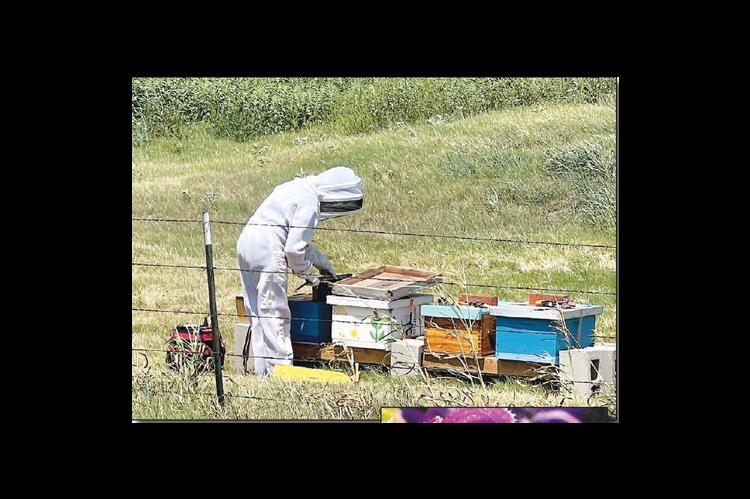
In August, two local beekeepers approached our family seeking permission to place their hives in the waterway north of our house, between a sesame field and the road.
My husband Dennis, our nephew Jack, who planted the sesame, and I gladly agreed.
As I learned more about sesame and bees, I discovered that cross-pollination by bees increases the seed weight per plant, improves seed quality and enables sesame to yield a honey production of around 40 pounds per colony.
While I knew bees were necessary, I was astonished to discover just how vital they are for life as we know it.
This led me to realize that, like bees, teachers play an equally essential role in nurturing our future.
Bees and teachers are the unsung heroes of our world. These tiny creatures serve as the foundation of our ecosystems, ensuring that life flourishes.
Without them, the delicate balance of pollination that sustains our crops would falter, leading to disastrous consequences for the global food supply.
Just as bees play a crucial role in nature, teachers are essential in shaping the future of our society. Teachers ensure the future of our society by nurturing the minds of young people and instilling critical thinking, creativity and values that shape responsible citizens.
They create supportive environments where students feel safe to explore ideas, ask questions and develop their unique abilities. Through engaging lessons, teachers not only impart knowledge but also inspire curiosity and a love for learning.
Bees, however vital their species, are threatened by habitat loss, pesticides and climate change. Protecting bees is not just an environmental concern, but it directly impacts our food security and the overall health of our planet.
Teachers, too, face challenges, including underfunding, overwhelming workloads and lack of respect. They cultivate curiosity, inspire dreams and ignite the flames of future generations; every lesson taught and every moment of encouragement helps to ensure a thriving, educated community.
The parallels between bees and teachers do not stop there.
Bees must gather nectar from nearly 2 million flowers to produce a single pound of honey.
This mirrors how teachers sift through countless ideas and lessons to enrich their students’ minds, providing understanding and insight.
A single bee embarking on a flight to create one pound of honey would travel nearly 90,000 miles, while teachers examine thousands of legislative mandates, textbooks, lesson plans, countless ideas and lessons, parent and educational expectations to ensure the success of their students.
Moreover, the intelligence of bees further exemplifi es the remarkable qualities of teachers. Despite having a brain the size of a sesame seed, bees possess an astonishing ability to learn and remember complex patterns.
This resilience echoes the commitment of teachers who nurture students, helping them grow and develop, no matter their starting point and how an entire school community – students, teachers and parents – collaborates toward the common goal of education.
Besides their teamwork, bees’ communication highlights another essential aspect of teaching.
In their dance, bees convey vital information about food sources, much like the crucial dialogue between teachers and students that creates a fertile learning environment.
Furthermore, honeybees have been producing honey in the same way for over 150 million years, which serves as a testament to the timeless and enduring value of the education teachers provide.
In reflecting on the vital roles both bees and teachers play, we are reminded of the intricate web of life where each thread contributes to the greater whole.
Just as bees pollinate our plants, ensuring the vitality of our ecosystems, teachers cultivate young minds, planting the seeds of knowledge that nurture future generations.
By valuing and protecting these unsung heroes, we not only safeguard our food systems and ecosystem, but also invest in a brighter future.
DID YOU KNOW?
• One spoonful of honey is enough to keep a person alive for 24 hours.
• Honey contains live enzymes. The metal of a spoon kills these enzymes. The best way to consume honey is with a wooden spoon; if not, use a plastic one.
• Honey contains polyphenols (which act as antioxidants and have neuroprotective effects, increasing memory and cognitive function)
• Honey is one of the few foods on earth that can sustain life.
• Honey has no expiration date.
•Theterm“honeymoon” comes from the fact that young couples consumed honey for fertility purposes after marriage.
• A bee lives less than 40 days, visits at least 1,000 flowers and produces less than 1 teaspoon of honey, but for the bee, it is the work of a lifetime.
• Bees saved people in Africa from starvation.