
Ag orgs, others praise water rule
EPA narrows definition of waterways subject to fed ovesight
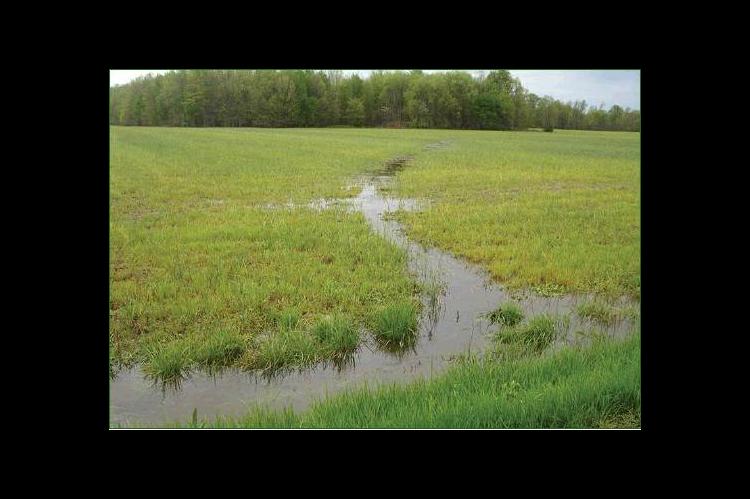
State and federal lawmakers and agricultural industry representatives praised the Environmental Protection Agency’s action last week fi nalizing the Navigable Waters Protection Rule to narrow the definition of “waters of the U.S.”
A definition of waters of the U.S. (WOTUS) adopted under the Obama Administration, “expanded the role of the federal government under the Clean Water Act from navigable and interstate waters to incorporate ditches, ponds and streams – regardless of how unnavigable or temporary the water may be,” U.S. Rep. Frank Lucas said.
“At a time when the federal government should have been cutting burdensome red tape, the Obama Administration instead tied the hands of our nation’s farmers and landowners and subjected them to unprecedented federal overreach and divisive litigation,” Lucas said in a statement released last week.
The new rule was proposed in December 2018 and has been going through the administrative rulemaking process for the past year.
In September 2019, the 2015 WOTUS rule was officially repealed through a separate rule. This action cements the substantive replacement of WOTUS – a rule defining which water features deserve federal protection under the Clean Water Act and which features are properly excluded from federal control
The Navigable Waters Protection Rule finalized Thursday by the EPA and the U.S. Army Corps of Engineers includes four categories of jurisdictional waters, providing clear exclusions for many water features that traditionally have not been regulated and defines terms in the regulatory text that were previously undefined.
“President Trump is restoring the rule of law and empowering Americans by removing undue burdens and strangling regulations from the backs of our productive farmers, ranchers, and rural landowners,” U.S. Secretary of Agriculture Sonny Purdue said. “The days are gone when the federal Government can claim a small farm pond on private land as navigable waters.
“With reforms and deregulation, Americans once again have the freedom to innovate, create, and grow. The Navigable Waters Protection Rule protects the environment while respecting states, localities, tribes, and private property owners.
“It clearly delineates where federal regulations apply and gives state and local authorities more fl exibility to determine how best to manage waters within their borders.”
Oklahoma Farm Bureau President Rodd Moesel also praised the decision.
“Oklahoma Farm Bureau members deeply value clean water because it is crucial to our very livelihoods as farmers and ranchers.
“We applaud the announcement of a new clean water rule that brings clarity and certainty to farmers and ranchers across the country.
“We’re grateful that the new regulation frees farmers and ranchers to continue protecting our valuable water resources without drastically hindering our ability to produce healthy and affordable food and fiber for the world.”
Oklahoma Cattlemen’s Association released a similar statement last week:
“This is a major positive announcement for Oklahoma Agriculture. One of the worst issues with the old rule was the vagueness and uncertainty. This new rule provides clear definitions, giving cattle producers certainty on such things as stock ponds and roadside ditches. We are thankful to the Administration for recognizing the need for this new rule.”
“Farmers, ranchers and landowners of Oklahoma have long been good stewards of their land and the environment,” Lucas said.
“The Trump Administration’s efforts reeling in the scope of the EPA’s regulatory activity back to the original intention of the Clean Water Act not only provides certainty for those who rely on the land to support their families but it also applies a common sense understanding of what constitutes waters of the United States.
“I commend President Trump and his Administration for keeping their promise to eliminate the previous administration’s rule and for providing a more realistic and certain framework ensuring we have a healthy environment and robust economy.”