
Developing a Vision
Cheyenne-Arapaho Tribes seek local input for community center design
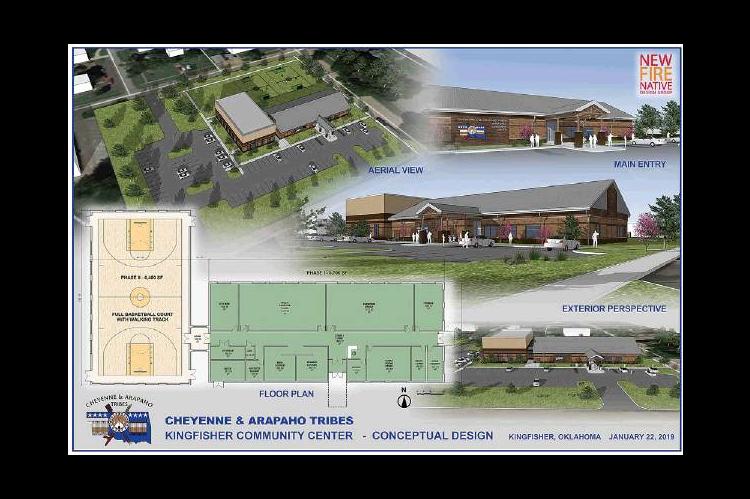
The Cheyenne and Arapaho Tribes are seeking public and local tribal input on plans to construct a community facility and wellness center on the old Kingfi sher Regional Hospital site at 500 S. Ninth St.
The center is intended to be utilized by the community at large, as well as by tribal members.
Community input sessions from different groups of stakeholders are scheduled throughout the day on Wednesday, Nov. 6, followed by a public forum that evening.
Daytime sessions scheduled in the BancFirst Community Room include the following:
•Cheyenne and Arapaho Tribal members – 10-11 a.m.
•Kingfisher city government representatives – 11 a.m.-noon.
•Kingfisher Public School representatives – 1-2 p.m.
•Kingfisher Chamber of Commerce – 2-3 p.m.
•Area sporting leagues – 3-4 p.m.
The public forum is scheduled for 6-7 p.m. at the Kingfisher Heritage School auditorium.
After the city commission agreed to their request to rezone the property from residential to commercial in January, the tribes purchased the 2.5 acre tract for $225,000.
The lot has been vacant since the new hospital was constructed south of town nearly 10 years ago.
“That will benefit the general public and tribal members living in the Kingfi sher area,” Melvin RomanNose, tribal representative, said.
Representatives of the tribes as well as the project’s design firm, New Fire Native Design Group in Oklahoma City, will attend the public forum and stakeholder meetings next week.
While a preliminary concept has been developed, as presented to the city commission in January and as reflected in the architectural rendering on Page 1, the actual design will be fi nalized based on community input.
As originally conceived, the project will be constructed in three phases.
Phase 1 will include a multipurpose room, fitness center, media room/ study hall, food pantry, clothes closet and commercial kitchen.
Phase 2 will include a full-size basketball court and walking track.
Phase 3 will add a community safe room.
Input sought from community members includes answers to such questions as who might use the center and when, what potential activities might be offered and what should the building look like.
Tribal members are asked to consider what tribal history and cultural symbolism might be incorporated into the design as well as what the tribes want to achieve or communicate in the construction of the building.
In an email to the Times & Free Press last month, RomanNose said the tribes had voted in September to submit a request to transfer the property into the federal land trust, but added “this process should not hinder any development or construction of a facility at this site.”
“One of the questions the tribal legislatures are asking is once this facility is built, how will the facility pay the cost to keep the doors open?” RomanNose said. “Hopefully the public hearings will help.”