
Loyal farmer testifies at U.S. Senate ag hearing
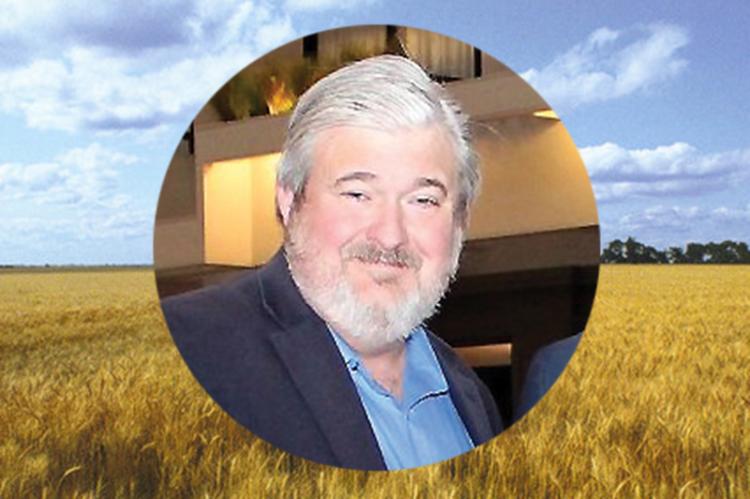
Loyal farmer and former state legislator Clay Pope was one of four witnesses representing the Food and Agriculture Climate Alliance testifying Thursday before the U.S. Senate Committee on Agriculture, Nutrition and Forestry.
Pope spoke on behalf of the National Farmers Union at the hearing titles “Farmers and Foresters: Opportunities to Lead in Tackling Climate Change.”
NFU is one of four founding organizations comprising the Food and Agriculture Climate Alliance, along with American Farm Bureau Federation, Environmental Defense Fund and National Council of Farmer Cooperatives.
Pope and other representatives of those groups testified on the agriculture, food and forestry sectors’ role in delivering climate solutions.
During the hearing, Pope and other witnesses testified that federal climate policy must be built upon voluntary, incentive-based programs and market-driven opportunities, promote resilience and adaptation in rural communities, and be grounded in scientific evidence.
In addition, Pope testified that solutions proposed by Congress and the Biden administration must be strongly bipartisan and accommodate the diverse needs of producers and landowners, regardless of size, geographic region or commodity.
Pope testified that the impact of climate change varies by region, and for his region of the country it’s meant “ice storms, changes in rainfall patterns, milder overall winters, record wildfires and, most recently, a historic cold snap that broke all previous records.”
To adapt to these challenges, Pope and his family have shifted to production methods that “minimize soil disturbance, maintain residue cover on the soil, keep something growing on the land as much as possible, and incorporate livestock into the system,” he said.
By building soil health, these practices have not only prepared his farm to bounce back more quickly from flooding, drought, freezes and heat, but it has also cut their input expenditures, increased yields and reduced soil erosion, he said.
“Our investment in soil health has helped us better prepare our farm for climate change in a way that has helped both our productivity and the environment,” Pope told the Committee.
He said those kinds of adjustments often require a significant amount of time, money and expertise, which is why Pope didn’t make them alone.
He received “technical assistance and financial help from an Environmental Quality Incentive Program contract…NRCS, the local conservation district and…the Conservation Stewardship Program.”
The expansion of existing programs and the development of new ones could help farmers facing similar difficulties, he said. In order to assist other farmers like him, Pope urged the committee to “build on the UDSA’s voluntary, incentive-based conservation programs that allow for produce choice and flexibility.”
On top of expanding these programs, legislators can bolster climate mitigation efforts with market-based solutions like carbon markets and biofuels production, Pope testified. In his testimony, Pope outlined recommendations for how to best implement market-based solutions to bolster climate mitigation efforts in a way that “will strengthen producers’ bottom lines and provide major public goods through reduced greenhouse gas emissions, cleaner water and a more stable and abundant food supply.”