
After last pandemic, task force advised Obama to avert shortage of masks
The Obama administration had about seven years to replace protective masks for health care workers.
The federal government knew about a shortage of protective masks going back to 2009, after the H1N1 virus, but didn’t replenish its supply for the next pandemic, which arrived this year with the highly contagious coronavirus.
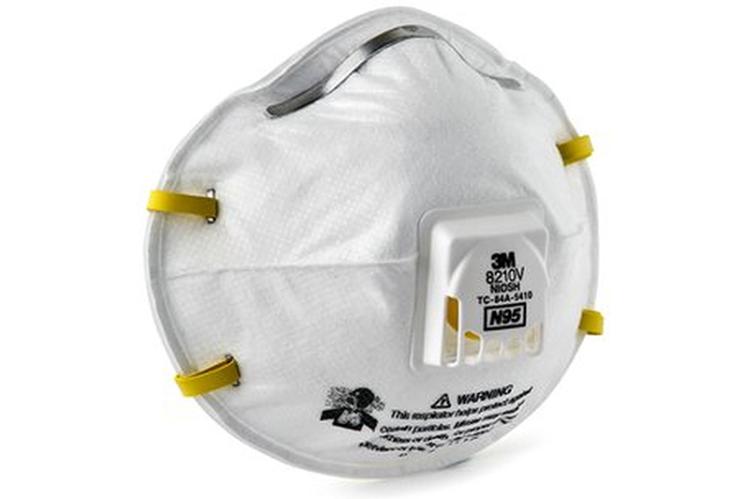
H1N1, also known as the swine flu, drew down about 100 million N95 protective respirator masks.
Afterward, an H1N1 task force recommended that the Obama administration replace the masks in the national stockpile, according to reporting by the Los Angeles Times and Bloomberg News.
“If the Obama administration didn’t respond to a request for additional masks, and if they did not communicate that need to the incoming [Trump] administration, that would certainly make the present situation more difficult,” Amy Anderson, a registered nurse and co-founder of the Global Nurse Consultants Alliance, told The Daily Signal in a phone interview.
Both the Obama and Trump administrations had adequate time to respond to the task force recommendation before the coronavirus outbreak, said Dr. Lee Gross, who practices family medicine in North Port, Fla., and is president of Docs 4 Patient Care, a national health care advocacy group.
The Obama administration had at least seven years to replenish the stockpile of masks, while the Trump administration had about three.
“Certainly the number of depleted masks were not replaced, and we should know why. It’s been a problem across multiple administrations,” Gross told The Daily Signal in a phone interview.
The N95 masks have a shelf life of five years, according to the Centers for Disease Control and Prevention, so continuous replacements are necessary.
N95 masks, which fit tightly, are designed to prevent particles in the air from entering the nose or mouth. Regular surgical masks are designed to protect physicians and other medical providers from fluids. The “95” means the masks are approved by the Food and Drug Administration to filter out 95% of particulates.
“One thing about natural disasters is there is a set time where you are expected to be able to provide self-care, usually about 72 hours in a hurricane, before the federal government responds,” Gross said. “The same is true in a pandemic for supplies. Hospitals should have personal protective equipment. The fact that we haven’t demonstrates a flaw in the system.”
Although medical supplies on hand weren’t adequate to respond to the coronavirus, Gross said, it is “unprecedented” territory when “a disease can spread when a carrier doesn’t know they have it.”