
CAPITOL REPORT: Second half
We’re almost half way through the legislative session. The House passed 416 measures to the state Senate, and we received 456 bills from that chamber. Most of the Senate bills have been read for a second time and assigned to committees. This is a procedural process required by House rule.
I would like to stress the points of a few House bills that passed, which were authored by rural legislators hoping to avoid the prospect of vouchers for students attending our public schools.
House Bill 2074, known as the Education Open Transfer Act, would allow parents to transfer their child to a different school at any time during the school year as long as the receiving school has the capacity to accept the student. Schools can refuse a child that has discipline or attendance problems. Parents in Oklahoma have been pushing for school choice, and this bill gives them some flexibility within the public school system while still providing our local school districts control over their membership.
I believe our rural school districts already are managing transfer requests very efficiently, and I’m proud of them for remaining open even during the pandemic when many urban schools were closed.
House Bill 2078 modifies the school funding formula, removing the third-year from the three-year high count for weighted average daily membership. Under this measure, school districts would use student counts from the immediate preceding year, and growing districts could use current-year counts for the mid-year adjustment if they choose. The author of the bill argues this gets rid of duplication in the counts and will ultimately result in higher per-pupil funding for students in the school where they currently attend. He said if nothing is done, virtual charter schools still will be paid for students that no longer exist on their membership rolls when students moved back to traditional schools. Using current figures, about $200 million would be spent on 55,000 students that don’t actually exist.
I opposed House Bill 2701, known as Education Investment for Oklahoma Act, ultimately keeping it from being heard on the floor. This measure would have created unfair opportunities for scholarships for students to go to private schools that could have hurt our rural schools. I expect to see Senate versions of this same initiative that I will oppose as well.
Also this session, the House passed two tax reduction measures. House Bill 2041 would reduce individual income tax rates by .25 %. House Bill 2083 over a five-year period would eliminate the corporate income tax for Subchapter-C corporations. Both could potentially increase financial activity in the market, creating an increase in revenue to the state and offsetting the discounts given.
Our state has outperformed expectations during the pandemic, creating a better forecast for us overall. We have record reserves of more than $1 billion, and it’s a good time to let our taxpayers keep more of their money and spend it how they wish. Phasing out the income tax for subchapter-C corporations, our most volatile revenue source, will allow us to recruit more businesses from other states where restrictions have closed businesses and forced migration. It also will allow our Oklahoma companies to reinvest more money in their plant facilities and workforces.
The enormous tasks of addressing the governor’s plan of managed healthcare in Oklahoma and funding Medicaid expansion remain in front of us. We continue to work on redistricting plans despite the delay of U.S. Census data by several months. The House is required by statute to approve a plan by Sine Die, the last day of legislative session. Stay tuned!
Please reach out to me anytime at mike.dobrinski@okhouse.gov or (405) 557-7407. It is my honor to represent you at our State House.
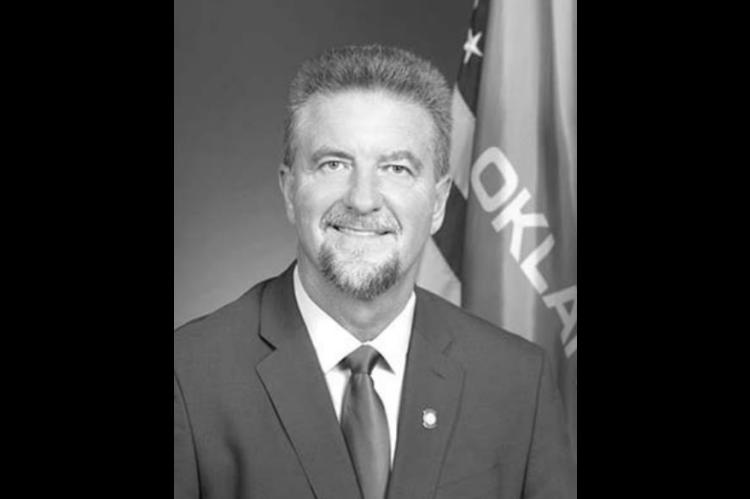
In your service, Rep. Mike Dobrinski