
Our readers write: Loyal’s early history related
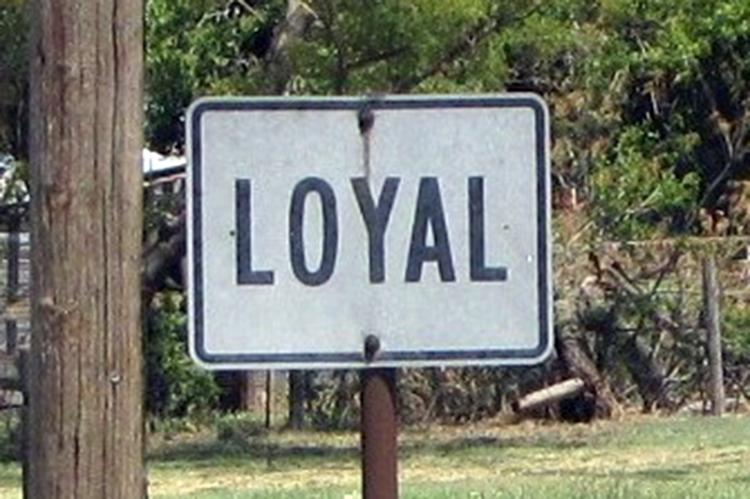
As time goes on, the small towns become smaller and the big towns grow larger. Jobs for young people are hard to find in rural Oklahoma so most of our young adults move to the metropolitan area.
Keil, Oklahoma, was a thriving community many years ago. A short history of Kiel was written by Earl Gulber, Frank Ogle and Charles Weherenberg. Bob York recorded the history of Kiel as told by these three men.
Dr. Paul Friedman was one of the first settlers. He named the town Kiel after another town in Germany. The businesses included a post office, two saloons, two banks, two cotton gins, two blacksmith shops, three grocery stores, two mercantile stores, drug store, lumber yard, two livery stables, dance hall, three churches, feed yard, hardware store, three cafes and three doctors.
After the run on April 19, 1889, farmers broke sod and crops were planted but rain was so scant that little was harvested. Being determined people, they planted the second spring and again dry weather and hot winds burned them out and about all that was raised was kaffir corn and a little maize. This was threshed by hand and into kaffir corn meal and baked into bread.
Wheat was scarce but some managed to get some seed and what was raised was so smutty that it had to be soaked in water for the smut to come to the top so it could be fed to livestock. An offer of 25 cents per bushel was paid for it.
The winter was hard and cold so many people left, but those who were able to hang on found the next spring brought rains and the third year crops were good. Kaffir corn was the major crop and kaffir corn bread was found on most every table.
During World War I, a group of citizens got together and changed the name of Kiel to Loyal (to demonstrate the community residents’ support for the United States of America).
* * *
A Tribute to the Kiel Pioneer
by Bob York
No greater heritage has no man,
Than the son of a pioneer
For the trail he blazed across the plains
Still shines out wide and clear.