
Rep. Mike Sanders reports: Bill to protect unborn life headed to governor
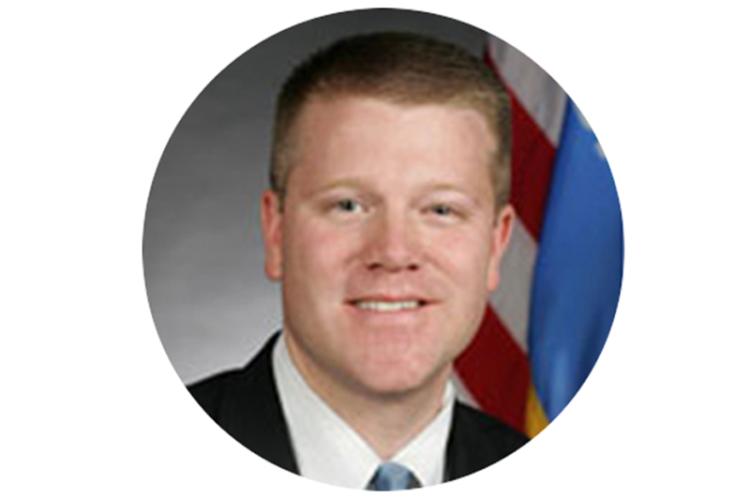
A bill that would give mothers an opportunity to reconsider a chemical abortion after a first abortion pill is taken passed the House this week and will head to the governor for consideration to be signed into law.
I co-authored Senate Bill 614 that would require a physician who administers an abortion-inducing medication to provide information to the mother explaining the procedure can be reversed should she change her mind after the first pill is administered. The physician also would have to post information about this option in their office. If a physician does not provide or post the information, they could face felony charges resulting in jail time or fines.
This does not preclude women from choosing abortions but gives them information about how they could reverse the process that would result in the death of their unborn child should they change their mind before the procedure is complete. This reversal procedure has resulted in at least 500 babies being born healthy after their mothers elected this choice. While some argue the science behind this procedure, I am always on the side of preserving life.
Meanwhile, the governor has been signing bills into law each week. So far, he’s signed 53 bills, 33 from the House and 20 from the Senate. Bills signed this week include House Bill 2640, Francine’s Law, which requires law enforcement to put into the NamUs national database information of unidentified bodies so that families of missing persons can search for their loved ones. The bill was named after Francine Frost, a mother of two who was abducted in Tulsa in 1981. Her case was cold for more than three decades until a grandson found information in the NamUs system that later turned out to be that of his grandmother. This law will help other families identify their missing relatives quicker.
The governor also recently signed my House Bill 1228, which will give teachers more training and resources to help them recognize students with dyslexia so they can better help these students. This can change the trajectory of student learning for students with dyslexia. There will be no cost to local school districts. The bill was a request by the Decoding Dyslexia Oklahoma working group, which will work with the State Department of Education to develop training materials for teachers and additional resources for students and parents.
We started this session with 2,631 House and Senate bills and joint resolutions. After a recent committee deadline by which bills had to be considered in their opposite legislative chamber, we are down to
557. So far, the House and Senate have come together to pass legislation on government accountability. We continue to work on bills that add more funding for public schools and another teacher pay raise. We also await final passage of a measure that will return funding to our County Improvement to Roads and Bridges Fund and several measures will address rural health care. At the same time, we are working on our state appropriation’s bill.
As always, I will keep you posted. If I can help you in any way, I can be reached at (405) 557-7407 or mike.sanders@okhouse.gov.