
Rep. Mike Sanders reports: Building a better future for Oklahoma
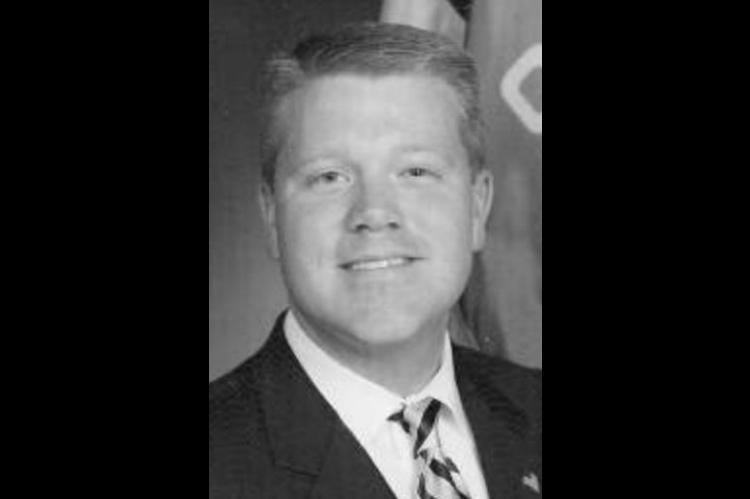
I’ve worked on a lot of legislation over my 12 years as a state representative, but one of the areas I’m proudest of is my work to increase dyslexia recognition and training for our public school teachers.
It was fitting for me, therefore, that my last interim study before I leave the House of Representatives be on this topic.
When we consider that approximately 20% of society has dyslexia, this has the potential to change the lives of as many as 800,000 Oklahomans.
Recognizing children with dyslexia early and getting them the support and the intervention they need leads to better success in reading and all other academic subjects and translates to better success in post-secondary education. This results in better and higher paying jobs, improved health outcomes, lower incarceration rates – all of which boosts our state’s overall economy.
But this is so much deeper than money. Children who struggle with dyslexia are at greater risk of depression, alcohol or drug abuse, behavior problems, even heightened suicide rates. They are at greater risk of being bullied, of being misunderstood, of missing their greatest potential.
I know all of this because three years ago when my youngest son was diagnosed with dyslexia, I learned my wife also is dyslexic. It was a secret she kept not wanting to relive the pain of her own struggle through school and the daily fight she still fights to adapt in a society that so often misunderstands the science behind how a brain with dyslexia works. She’d dealt with shame for years over her struggle to read. She’d had to work 100 times harder than her peers to succeed in her chosen career. She’s lost relationships over this disorder. She didn’t want that same struggle for our sons.
It has been my wife’s courage is sharing her personal story and her fight for our boys that helped open my eyes to the struggles of the hundreds of thousands of other Oklahomans with dyslexia.
It was through my wife that I connected with Decoding Dyslexia Oklahoma. They asked me to be a part of their task force several years ago to help publish the Dyslexia Handbook, now available through the Oklahoma State Department of Education to all Oklahoma schools and parents. They also helped me draft legislation that added professional development to help Oklahoma elementary school teachers recognize students with dyslexia. That training started this school year. We also passed legislation that adds screening for students in kindergarten through third grade. That begins in the 2022-23 school year, giving schools and the OSDE time to prepare for the change.
They helped me again this week to present my final interim study that looked at the effects of dyslexia on the Oklahoma workforce and to make some recommendations for legislation needed to improve our chances of providing a trained and skilled workforce for the employers who now or in the future will call our state home.
We have a good start with the adoption of our state’s Reading Sufficiency Act, focusing attention on ensuring our kindergarten through third-grade students can read on grade level. Now we must address literacy needs for older children all the way through college and CareerTech and into the workforce.
The foundation of a prepared workforce, after all, is education, and the foundation for all of education is literacy. Science, technology, engineering and math (STEM) are all skills needed in today’s workforce, but all require literacy skills in order for students to engage successfully. In Oklahoma’s 2019 Talent Pipeline Report, 70% of jobs will require a post-secondary degree, certificate or credentials. In order to achieve those, however, a student will need to master good reading skills. Yet, in the last 20 years our eighth-grade National Assessment of Education Progress (NAEP) scores have not changed. We still have less than 30% of students proficient in reading at this level.
Oklahoma currently ranks 47th in the nation in literacy. We could so easily be top 10, but it will take a commitment by our lawmakers, our parents, our teachers, our colleges of education and our local school districts to get there.
I will be long-gone from the Legislature by the time the final pieces of the dyslexia puzzle are put into place in Oklahoma, but I’m thankful I got to play my part. I’m thankful for the help I’ve received from Michelle Keiper and Tiffany Jenkins with Decoding Dyslexia Oklahoma and from the State Department of Education. I’m also always most grateful to my amazing wife, Nellie. Without her courage, this work might have waited for another day and another lawmaker. But now, I can say I was a part of changing lives for the better in Oklahoma. That is always a good note to end on.
As always, I’m here for you if you need anything. I can be contacted at Mike. Sanders@okhouse.gov or (405) 557-7407.