
VIEW from behind the plow
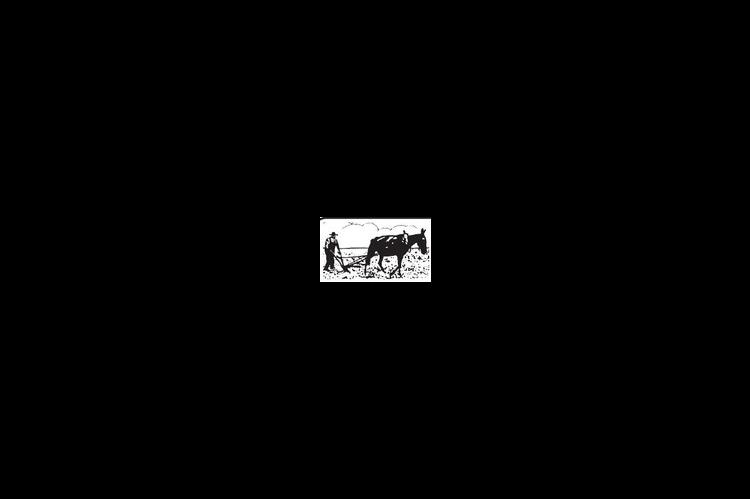
Farming now getting needed national attention
Farming is a tough occupation.
It always has been. First, farmers are dependent on the weather. You can’t fool Mother Nature. Also, nobody can order a rain on the day they need it.
Then there’s also the fluctuation in prices for crops at harvest and the cost of the products that must be invested in a crop in the attempt to get the biggest yield possible.
No Farmers; No Food
“No farmers; no food,” a sign showing up on bumper stickers in parts of the country, explains why the issues facing farmers is important to all of us, asserts columnist Derek Hunter, who cited some of the many problems facing farmers nationwide.
His first recommendation is to kill the death tax. He explains: “Family farms are hit hard by the death tax, as on paper they are worth a lot of money because the value of land and equipment can add up quickly to surpass the tax’s limits. That causes farms to have to be sold, either in whole or in part, to avoid the government taking the whole thing.”
As the product of a family farm a few generations ago I can assure you, one of the first things a farm family must do is to learn to live within its means.
Hint: I’d have been a farmer if I could have afforded it.
The next crop is never assured and you have to make purchasing decisions based on what has to be saved back in order to assure continuing in the business.
Kingfisher County Extension Agent/Agriculture Educator Bryan Kennedy cites input costs and uncertain markets as the reason about half of the nation’s farmers, possibly more in the corn growing regions further north than local, are on the verge of bankruptcy..
Difficult for Young Farmers to Get Started
It is especially difficult for younger farmers to get in the business these days. And the nation will need farmers forever. Those on the job now can’t be counted on forever, ya know.
When I was stopped by an area trooper recently, he mentioned during our visit that he worked in law enforcement to afford his farming habit. (My tag was out of date; a problem I soon corrected.)
A job in town has become almost mandatory for start-up farmers.
The high cost of land – more than its production will justify – is prompted by the very wealthy buying up huge chunks of it to defend against inflation, along with Communist China’s buying up as much as it can get its hands on, especially that which is close to U.S. military bases and other sensitive points.
Hunter endorses government providing subsidies for farmers, adding: “Not a big fan of the concept, but you can’t let the perfect be the enemy of the good, and subsidies do go a long way to keeping farms away from foreclosure and, for many of them, Chinese hands. That price is worth is, at least to me.”
He reports that the One Big Beautiful Bill contains agriculture programs typically included in a farm bill.
He also made these points: “Protecting farmers means protecting not only farm jobs, but the jobs of everyone tangentially involved in the agriculture business. You probably don’t eat cane sugar, but I bet you consume sugar in a dozen things you eat everyday. The OBBB extended programs for sugar producers through 2031 and one study found ‘the industry supports 37,000 direct jobs and more than 151,000 jobs overall when counting downstream activity.’ That’s nothing to sniff at.
“The OBBB also made “improvements to the Livestock Indemnity Program and Livestock Forage Program,” and it ‘permanently sets the death tax exemption to $15 million or $30 million for those married filing jointly.’ That will help, some.” Hunter wrote.
Kennedy stresses the importance of livestock producers investigating USDA’s “Livestock Risk Protection” as a normal business practice.
“Great starts, all of them, but only starts. As long as other countries are artificially lowering the cost of their goods to undercut our farmers, we have to fight fire with fire,” Hunter wrote.
I will always believe that the large majority of farmers look at their occupation as more than just making money, although paying the bills is vitally important, if they want to stay in business.
I think most farmers like the idea that their handiwork is feeding hungry people – here and around the world.