
Beware: Armyworms on the march across county
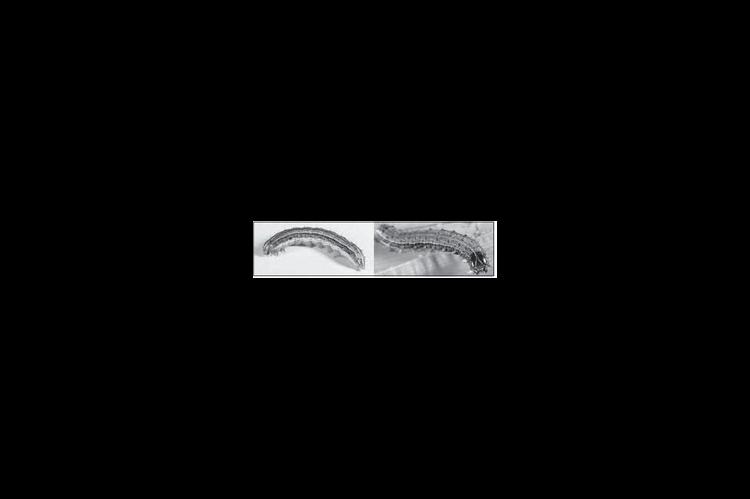
Light wheat sowing has begun in Kingfisher but the majority of producers are waiting because of a seemingly record crop of armyworms.
Kingfisher County Extension Director/Agricultural Educator Bryan Kennedy said five or six stocker calf operators have begun sowing in an effort to get early pasture.
Many of those sowing now are considering seed treated to provide protection to newly sprouted plants for 30 days.
Kennedy reported the price for the best coverage is a product called Lumivia CPL.
“This is the best product on the market,” Kennedy said. “Price per bushel of treatment ranges from $2.85/bu up to $3.90/bu.”
Pests that this product controls include armyworms, cutworms, grasshoppers, pea leaf weevil, seed corn maggots and wireworms.
Kennedy said the armyworm invasion is not limited to Kingfisher County, reporting that he has received calls from producers in Dewey County, including Taloga and Leedey, as well as Marshall in Logan County.
August rains not only provided moisture needed to get the winter wheat crop up to a stand, it also has provided ideal conditions for the armyworms.
The rains have promoted the growth of weeds and grass the worms feed on. The damp and cooler weather have created ideal conditions for eggs, the larvae and the worms.
Kennedy said while making some stops in the Loyal area on another matter recently, he found an abundance east and west of Loyal, including one location where he counted at least 30 armyworms in a one-square-foot area.
Kennedy advised home owners in towns to check their lawns as the worms also feed on bermudagrass.
One local resident reported finding the worms covering Kingfisher Walk-ing Trails while walking his dogs last week.
Kennedy said the best time to check for armyworms is the early morning while it is still cool. As the day warms up, the worms burrow into the soil.
The armyworm female moth lays eggs in clutches of 50 to 100.
The worms are generally light green in the early stage and become darker brown as they mature.
The least expensive cure for the worms would be a string of days with night time temperatures below 30 degrees for a period of three hours.
While wheat sowing normally revs up locally around Oct. 1, temperatures that cold aren’t likely before a majority of producers start sowing.
Kennedy suggests sowing treated seed as a preventive measure due to the high numbers of the worms already on hand.